

Who is saicep?
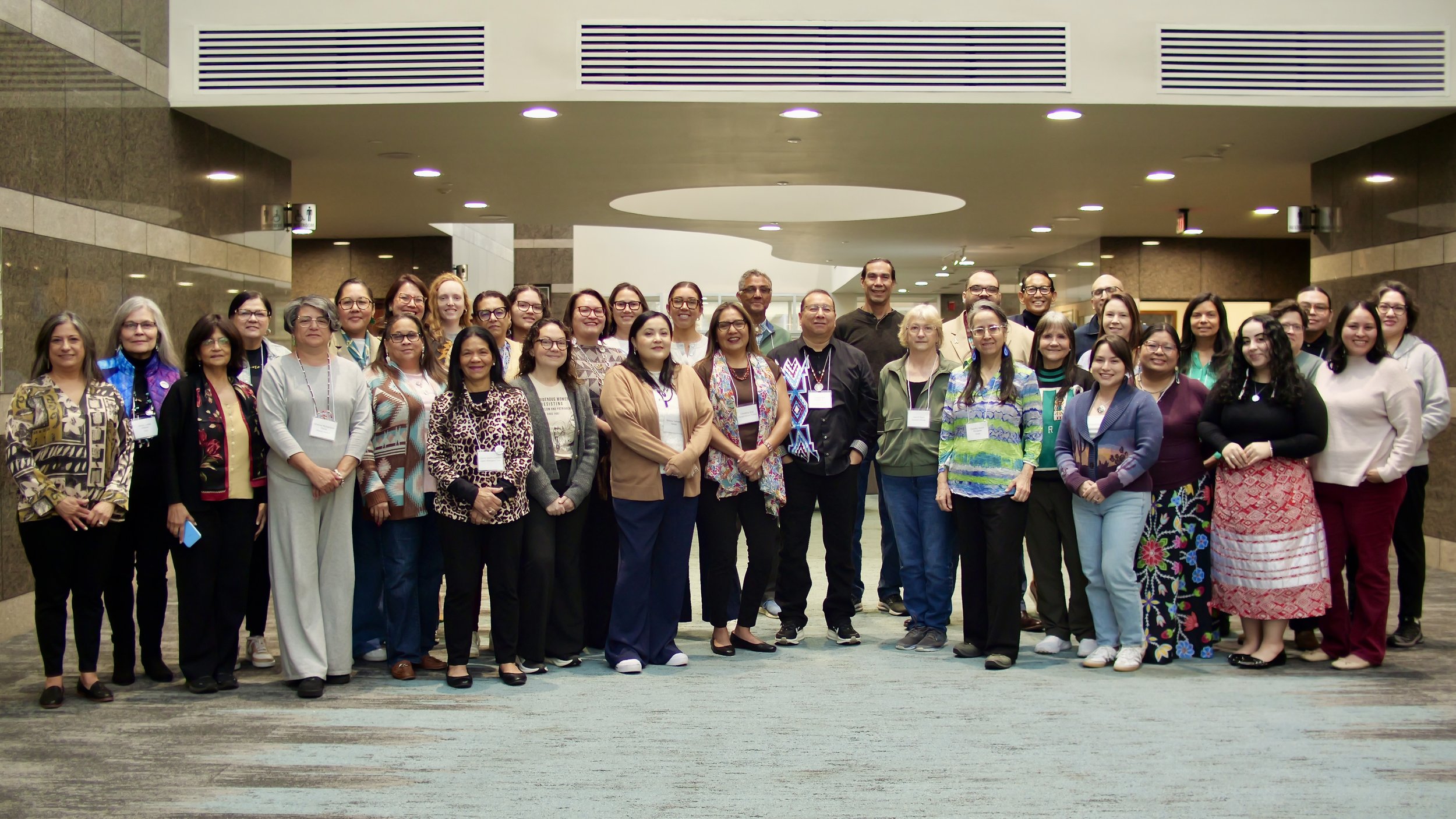
In Spring 2021, the Community Outreach and Engagement offices from North Carolina’s three National Cancer Institute (NCI)-designated comprehensive cancer centers partnered with Tribal communities to address the cancer health-related needs of Indigenous peoples in our catchment areas.
Together, the three cancer centers created the Southeastern American Indian Cancer health Equity Partnership (SAICEP). The purpose is to understand and address the cancer-related health needs of American Indian communities in our catchment areas and beyond.

our mission
The Southeastern American Indian Cancer health Equity Partnership (SAICEP) is a unique collaboration initiated by the Community Outreach and Engagement teams at the NCI Comprehensive Cancer Centers at Duke, UNC Lineberger and Atrium Health Wake Forest Baptist, with a focus on understanding and addressing the cancer-related health needs of American Indian communities in our catchment areas and beyond. The partnership offers culturally competent research, education and community engagement for American Indian tribal communities. Tribal and community organizations and leaders, as well as clinical and academic institutions are encouraged to be a part of our efforts.
Key Moments in Our History
-
![Photo of founding leaders, three people smiling in front of a decorated Christmas tree in a living room.]()
THE START OF SAICEP
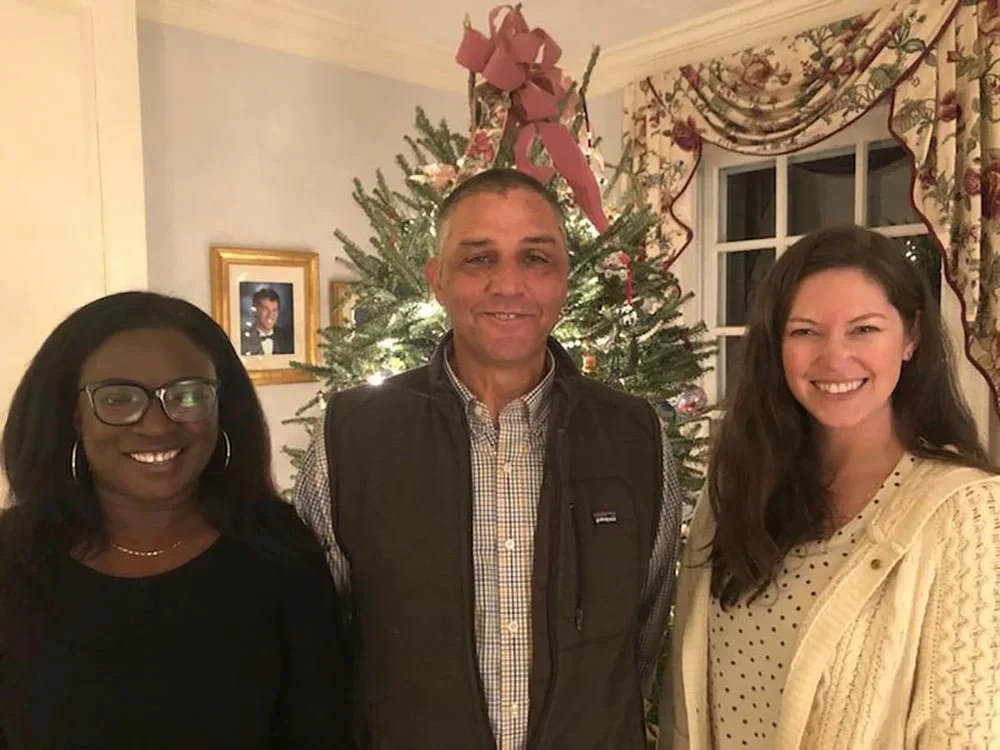
Community Outreach and Engagement leaders from North Carolina’s three NCI-designated comprehensive cancer centers came together to form SAICEP in 2021.
Our Founding Leaders:
Dr. Tomi Akinyemiju, Duke Cancer Institute
Dr. Ronny Bell, Atrium Health Wake Forest Baptist Comprehensive Cancer Center (now at UNC Lineberger)
Dr. Stephanie Wheeler, UNC Lineberger Comprehensive Cancer Center
-
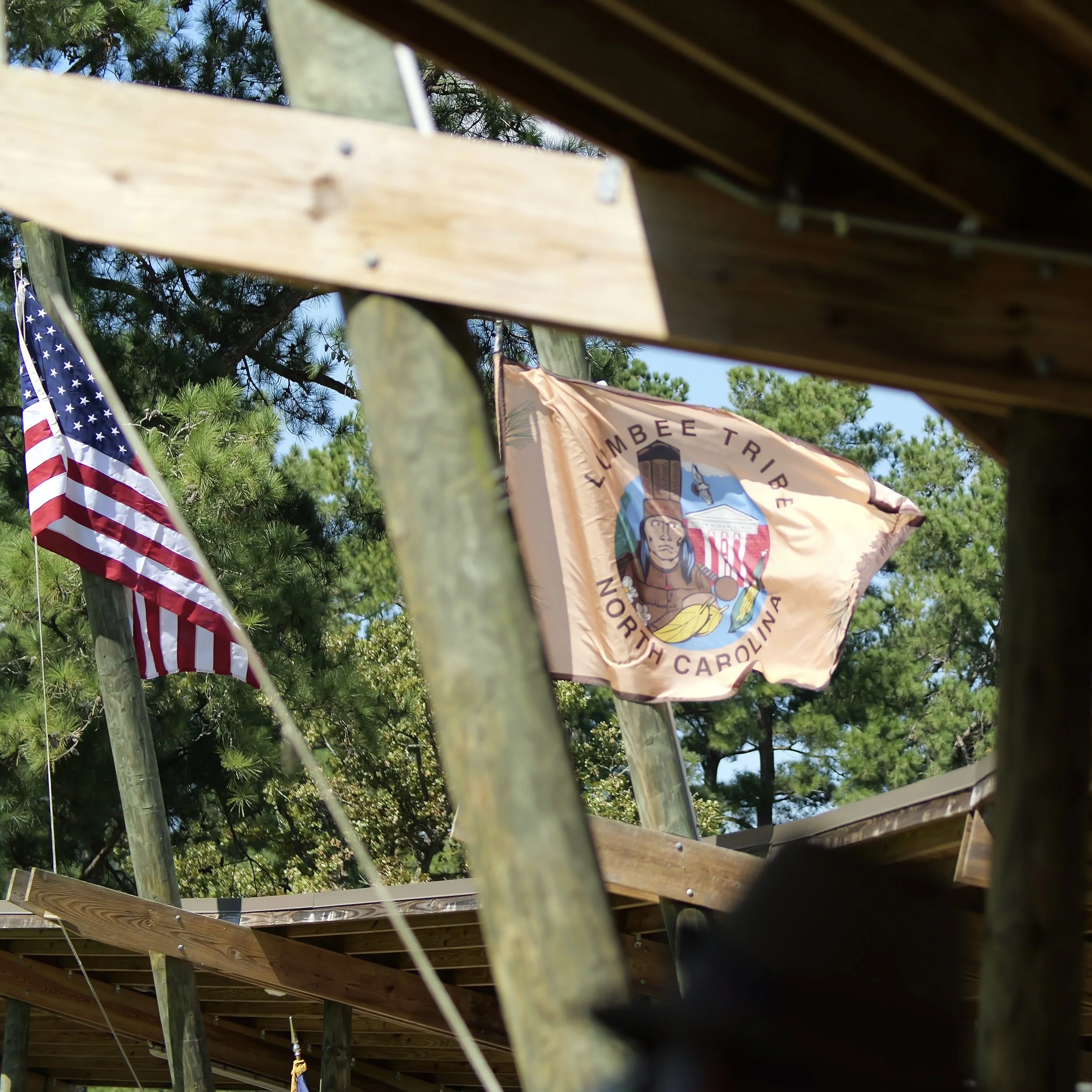
![Close-up of the Lumbee flag from the Powwow in 2024.]()
EARLY COMMUNITY ENGAGEMENT
In 2022, SAICEP focused on building relationships with Tribal leaders, community members, and partner organizations through listening, collaboration, and trust. These early partnerships helped shape future education, research, and outreach efforts.
Key Focuses: Relationship Building, Community Listening, Trust, & Collaboration
Participants: Tribal Leaders, Community Members, & Partner Organizations
-
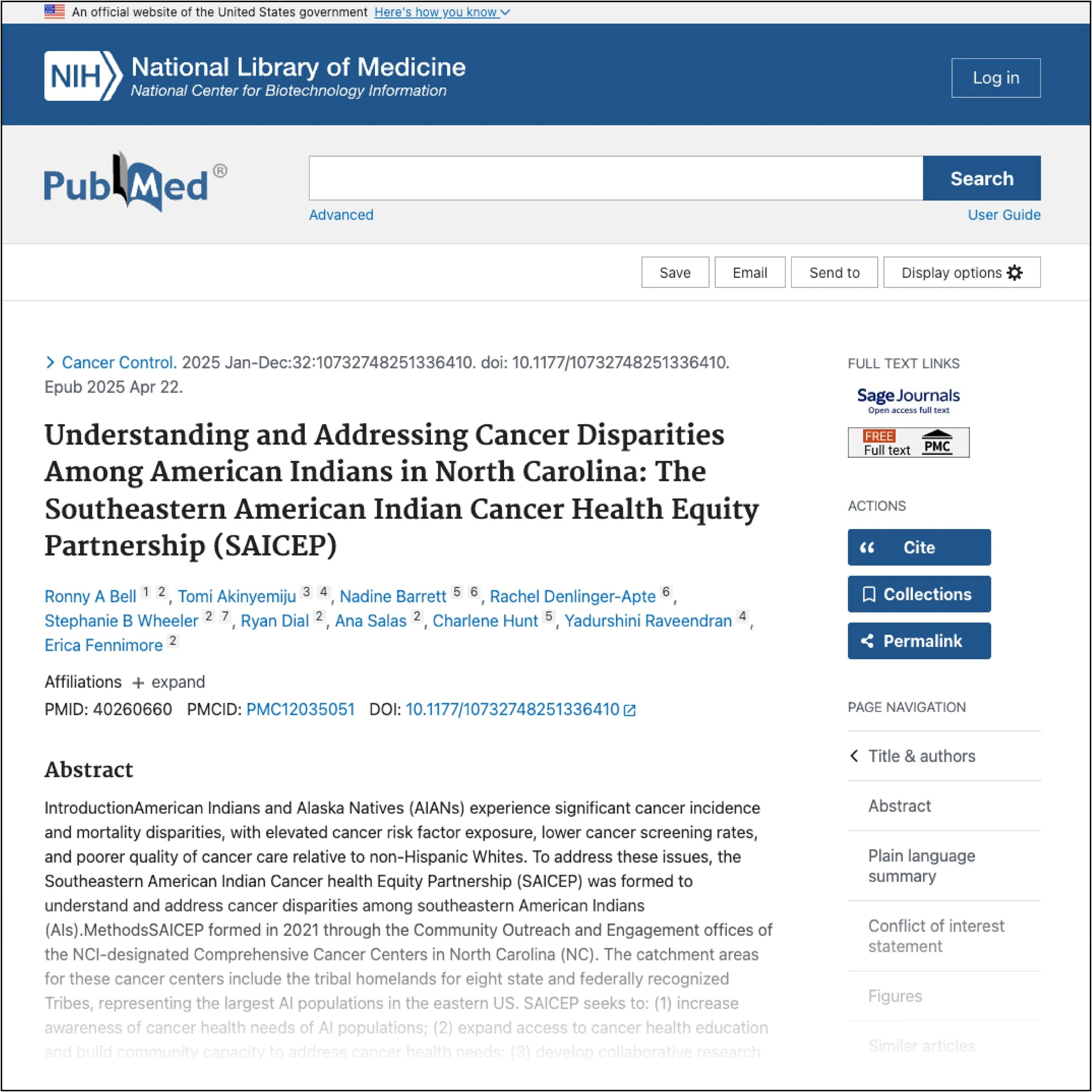
![PubMed Article Screenshot]()
First Peer-Reviewed Journal Article
SAICEP published its first peer-reviewed journal article in 2025, highlighting the partnership’s community-driven model for advancing cancer health equity in American Indian communities.
Title: Understanding and Addressing Cancer Disparities Among American Indians in North Carolina: SAICEP
Lead Author: Ronny A. Bell, PhD, MS
-
![Logo for the V foundation with the slogan 'Victory Over Cancer' written in red.]()
FIRST GRANT
SAICEP received its first grant from the V Foundation in 2024 to launch a youth and young adult cancer prevention initiative in partnership with the NCNAYO.
Grant Partner: The V Foundation
Project: Youth and Young Adult Cancer Prevention Initiative
Community Partner: North Carolina Native American Youth Organization (NCNAYO)
-
![Group of diverse people outdoors, smiling, posing for a photo in front of green trees and a brick building.]()
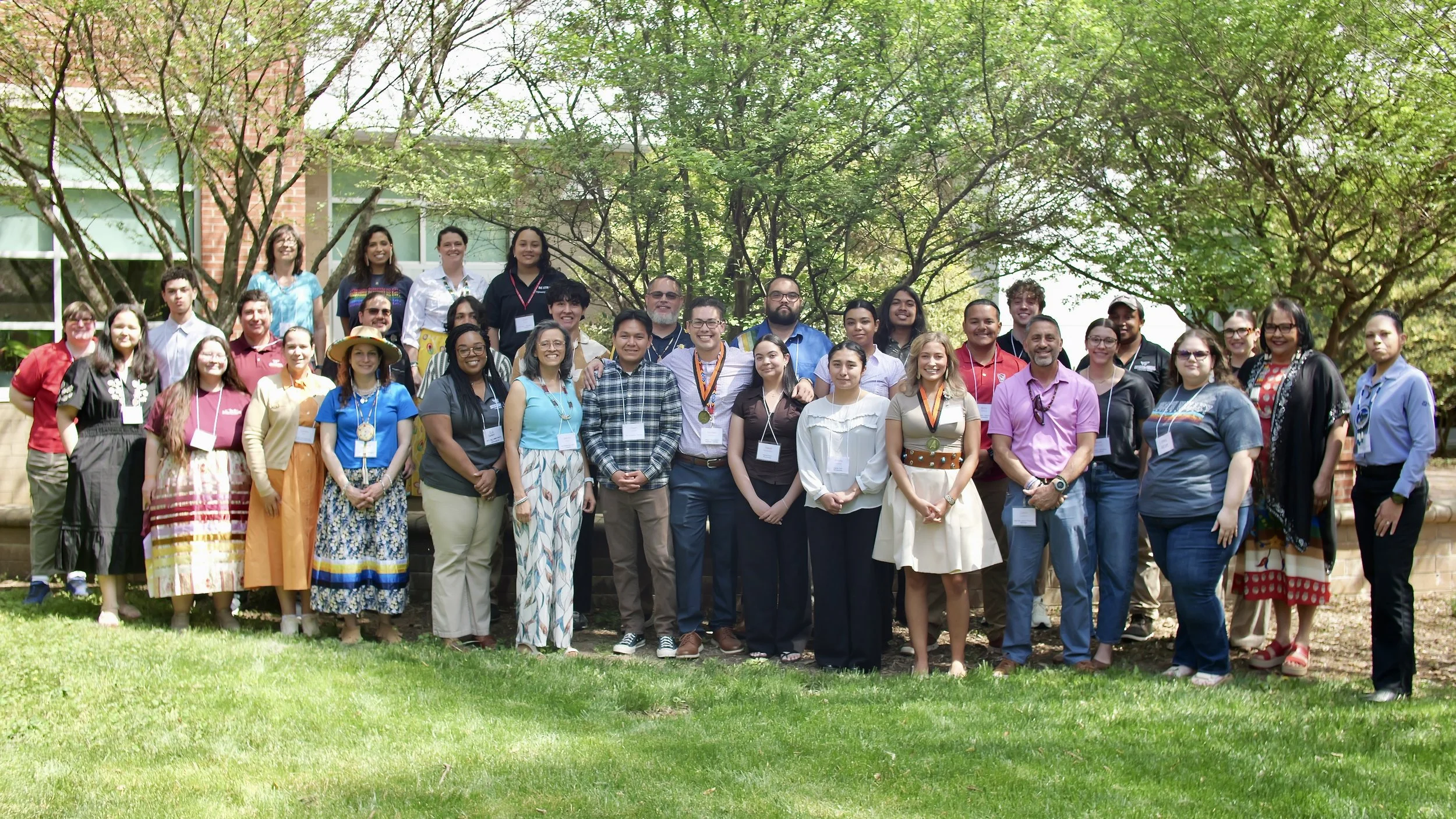
First SAICEP Strategic Planning Retreat
SAICEP held its first strategic planning retreat in 2024, bringing together leadership, community members, and partner organizations to define priorities, strengthen partnerships, and shape a shared vision for the future of cancer health equity.
Participants: SAICEP Leadership, Community Members, & Partner Organizations
-
![Group of diverse people standing together in an indoor setting, smiling at the camera.]()
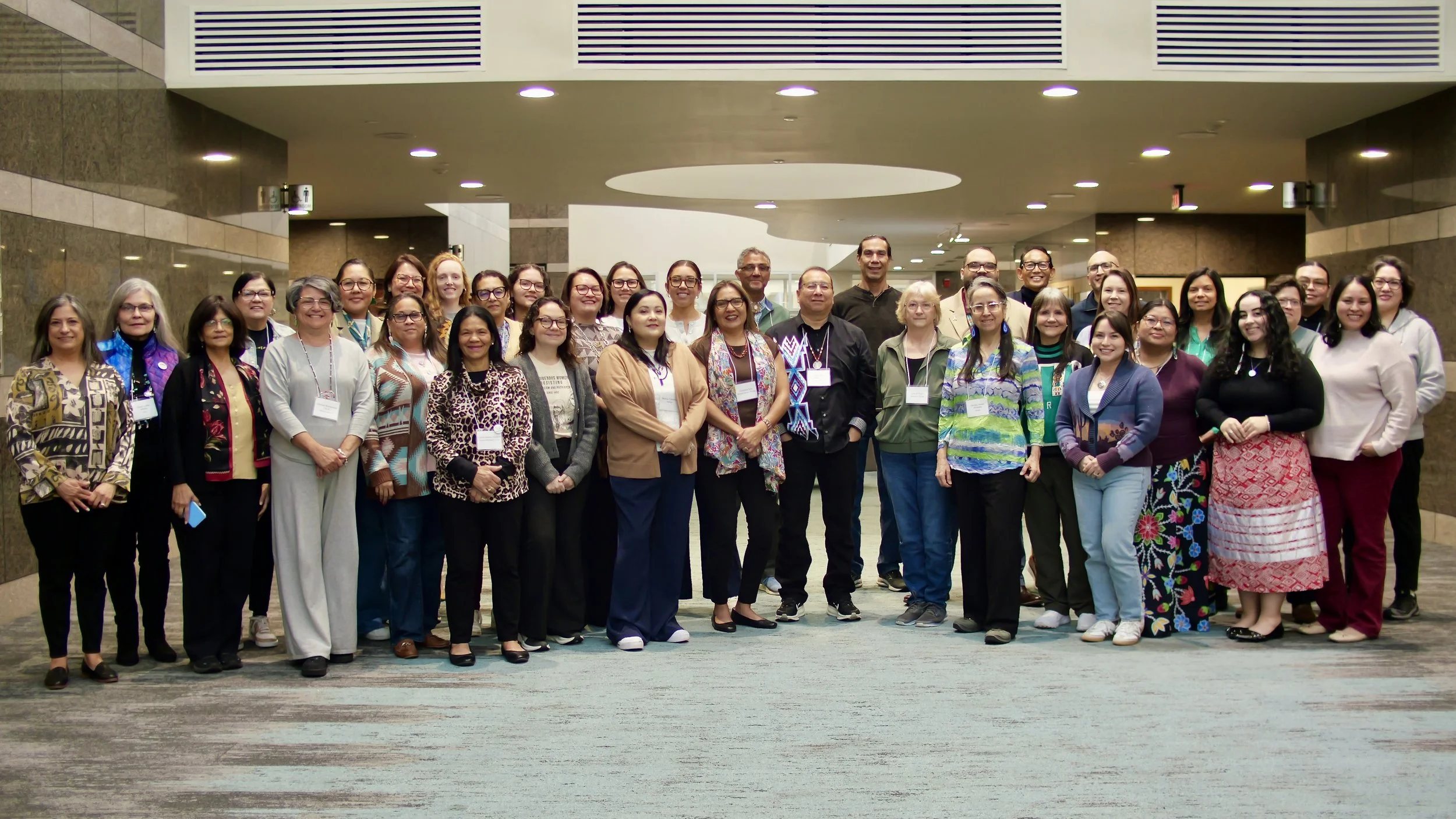
Formation of the CAB
In 2025, SAICEP established its first Community Advisory Board (CAB), bringing together Tribal and community representatives to help guide the partnership, strengthen community engagement, and ensure its work reflects the priorities of American Indian communities.
Purpose: Guide SAICEP’s priorities, strengthen community engagement, and elevate community voices.
-
![Three individuals standing behind chairs at a conference or event, with a presentation screen in the background. They are wearing formal attire with name tags and appear to be posing for a group photo. The bottom of the image shows part of a logo for the Department of American Indian Studies at the University of North Carolina Pembroke.]()
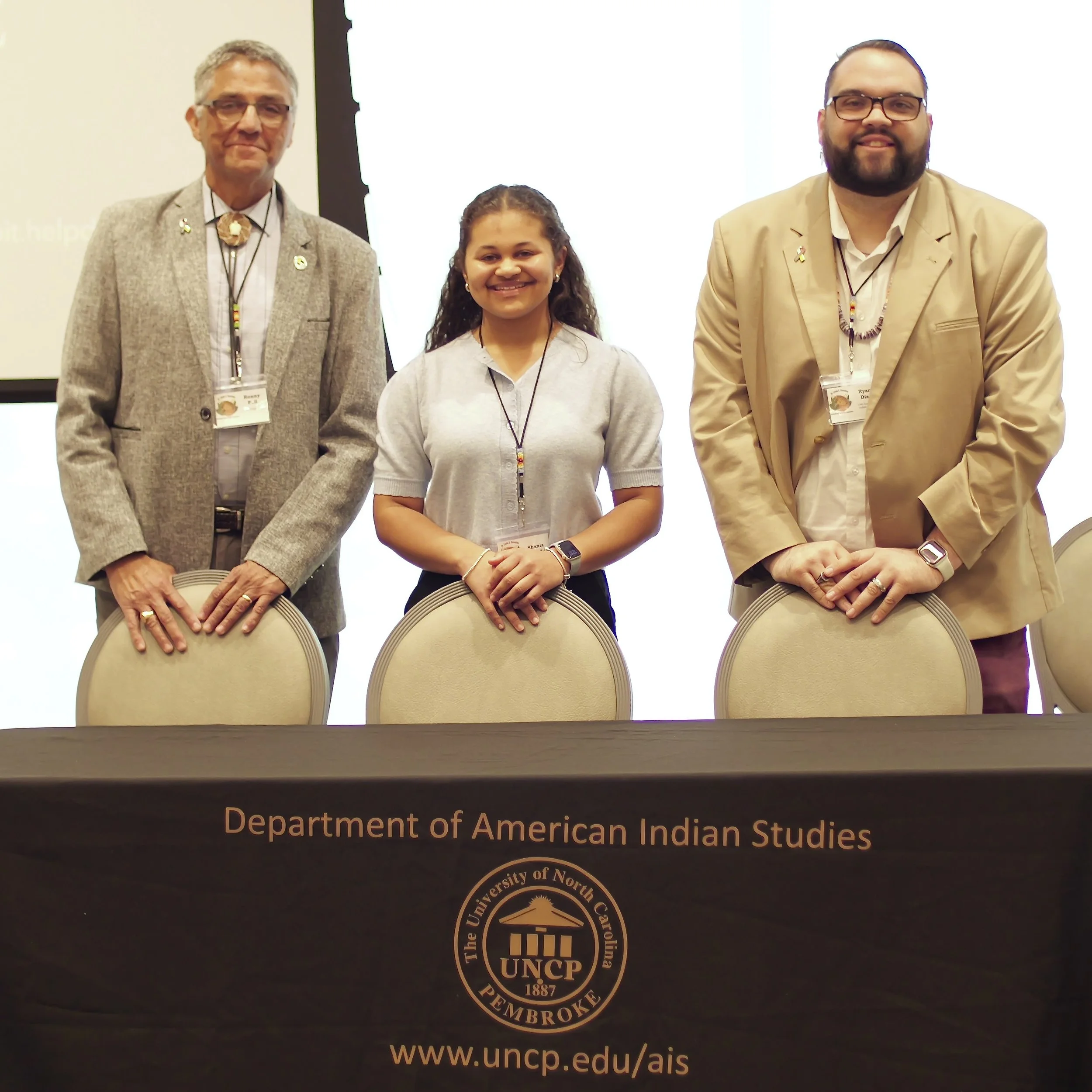
LOOKING to the future
With trusted partnerships and community voices guiding the way, SAICEP is preparing for its next chapter by expanding research, education, outreach, and collaboration to advance cancer health equity.
Looking Ahead
Expand research initiatives
Strengthen community partnerships
Advance education and outreach
Improve cancer health equity
Our team
Atrium Health Wake Forest Baptist Comprehensive Cancer Center
-

Nadine Barrett, PhD, MS, MPH
Professor
Social Sciences and Health Policy, Public Health Sciences (Winston-Salem)
-
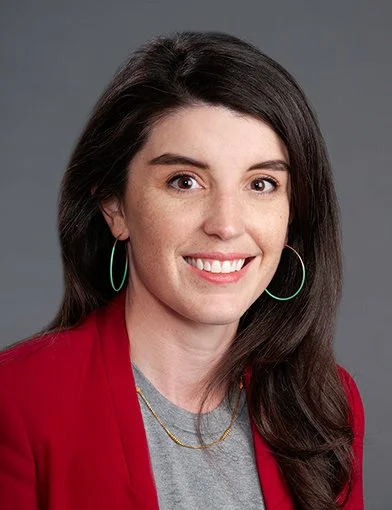
Rachel Denlinger-Apte, PhD MPH
Associate Professor
Social Sciences and Health Policy, Public Health Sciences (Winston-Salem)
Duke Cancer Institute
-

Jennifer Freedman, PhD
Associate Professor
Associate Director, Community Outreach and Engagement
-
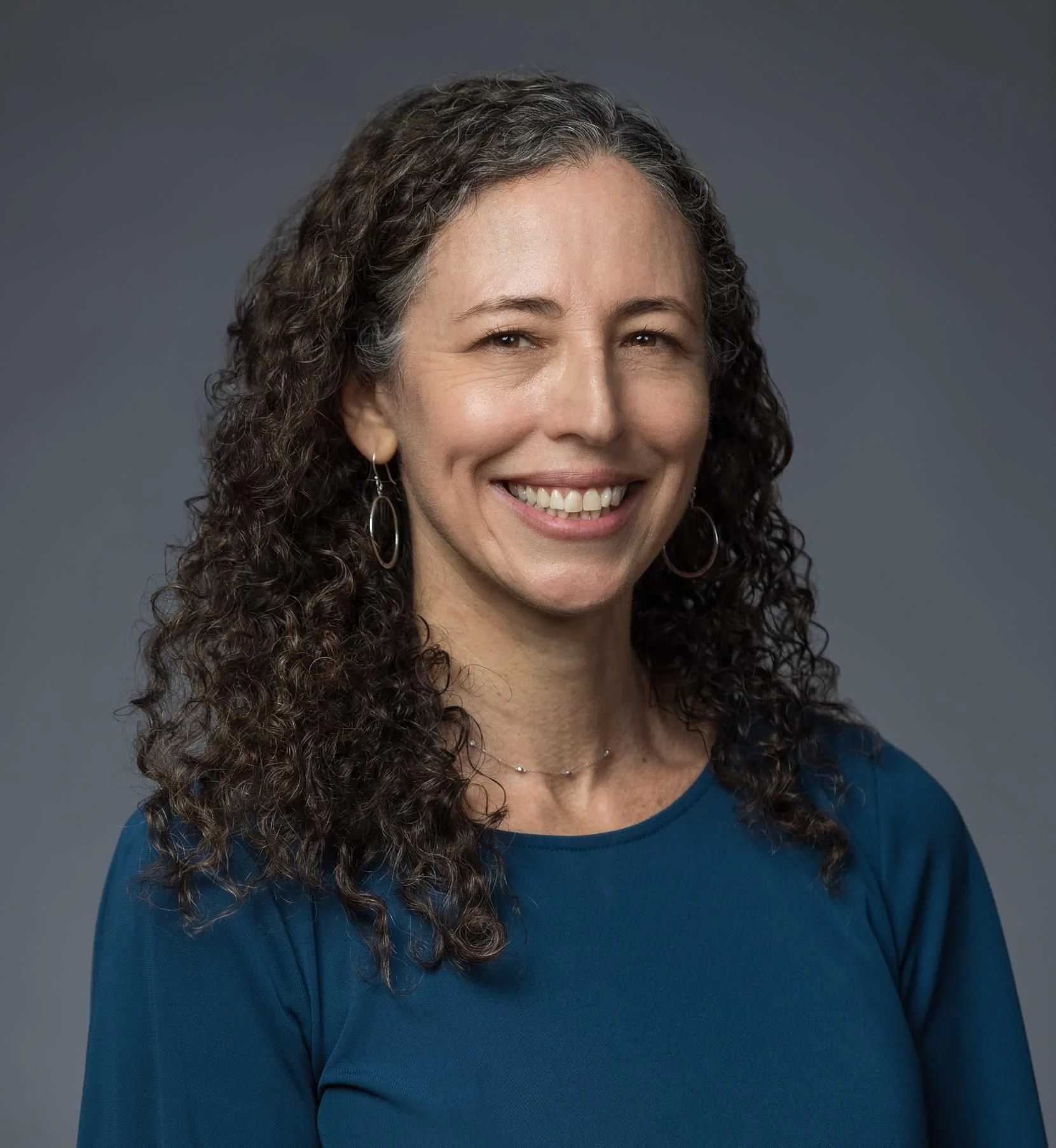
Meira Epplein, PhD, MS, MA
Professor in Population Health Sciences, Professor in Medicine
Co-Leader, Cancer Risk, Detection and Interception
-
Sydnee Crankshaw, MPA
Research Practice Manager
Operations, Community Outreach and Engagement
-

Gwendolyn Shaw
Program Coordinator
Community Outreach and Engagement
UNC Lineberger comprehensive Cancer Center
-
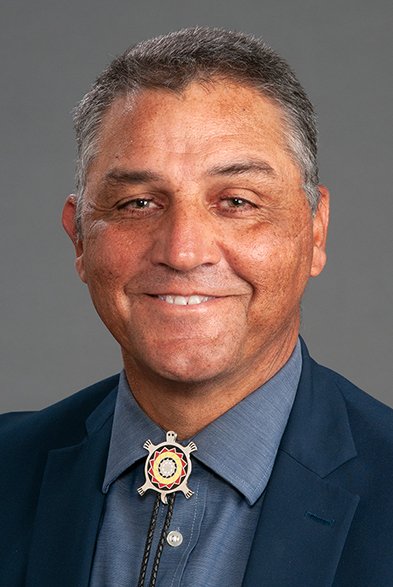
Ronny Bell (Lumbee), PhD, MS
Chair of Division of Pharmaceutical Outcomes and Policy
Deputy Associate Director, Community Outreach and Engagement
-

Stephanie Wheeler, PhD MPH
Professor
Associate Director, Community Outreach and Engagement
-

Barbara Alvarez Martin, DrPH MPH
Assistant Director
Population Sciences and Community Outreach and Engagement
-
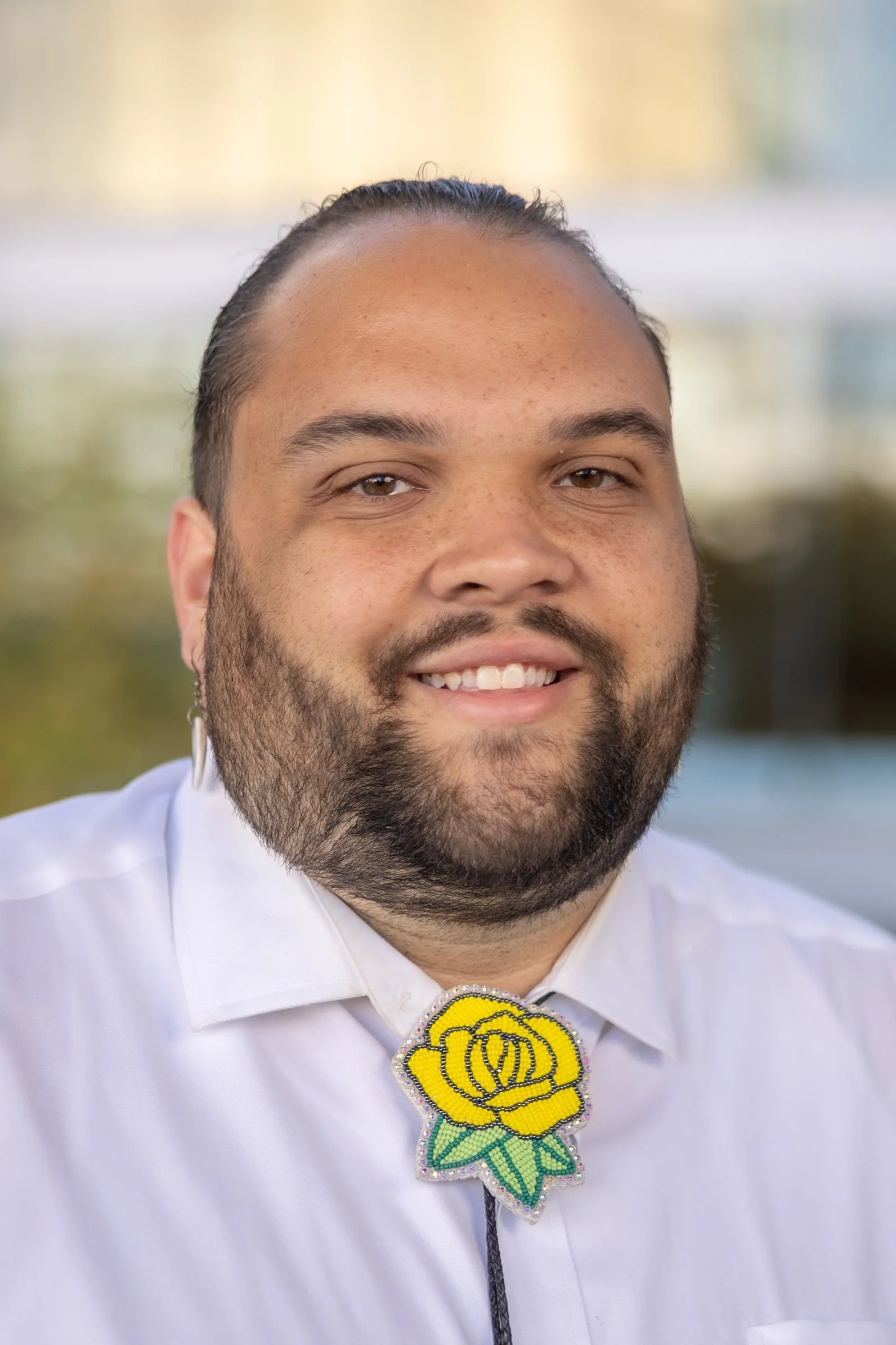
Ryan Dial (Lumbee), MCLS MLS (ASCP) cm
Program Manager, American Indian Health
Community Outreach and Engagement
-
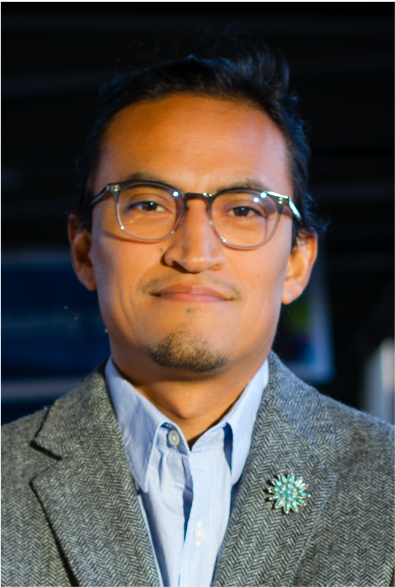
Marc Emerson (Navajo/ Diné), PhD
Assistant Professor
Department of Epidemiology UNC Gillings School of Public Heatlh
-

Andrew Dodgson, DPT
Continue Education Specialist
UNC Lineberger Cancer Network
Student interns
-

Natalie Renay Locklear (Lumbee)
Current Graduate Student Intern
UNC Lineberger Cancer Center
-
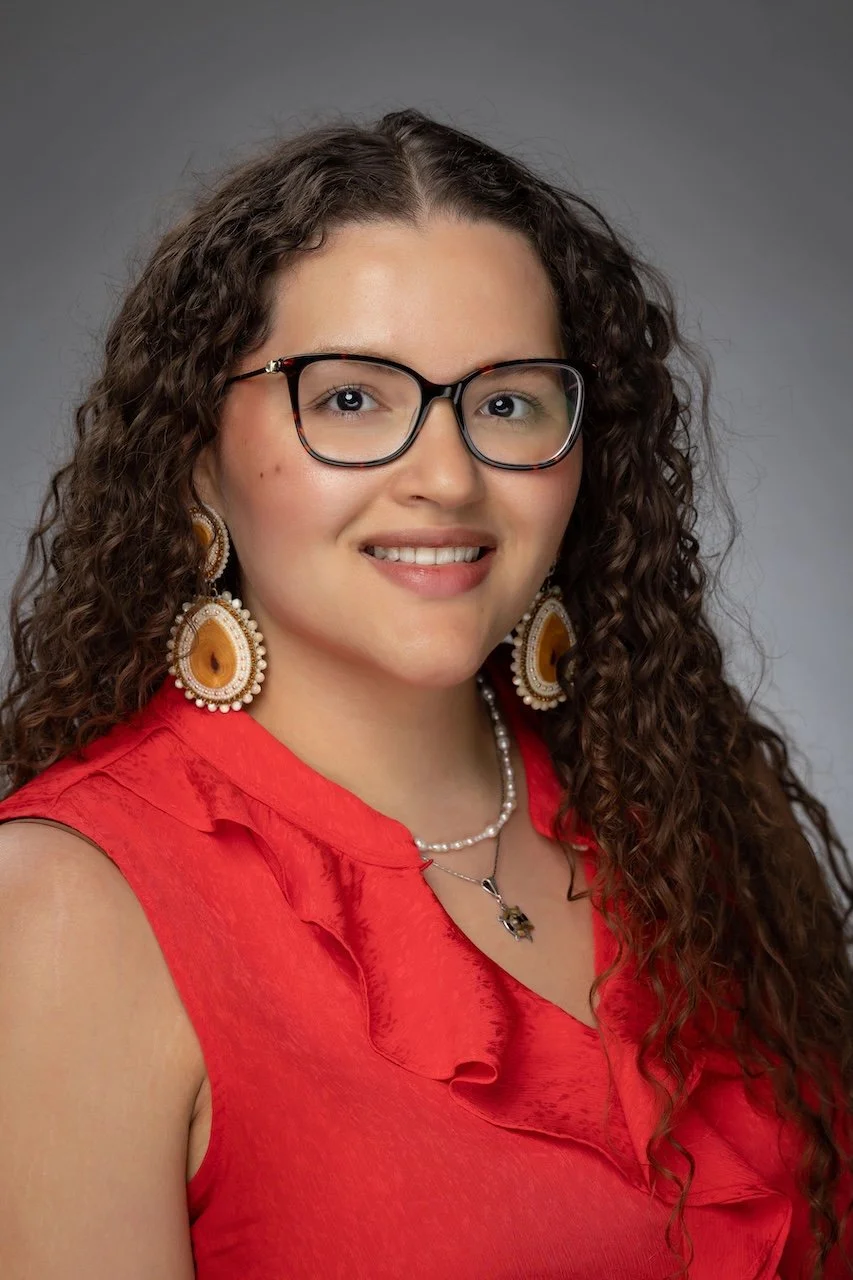
Jada Allen (Lumbee)
Duke Direct Fellow
Duke Cancer Insitute
-

Hailey Jones (Lumbee)
Previous Undergraduate Student Intern
UNC Lineberger Cancer Center
-
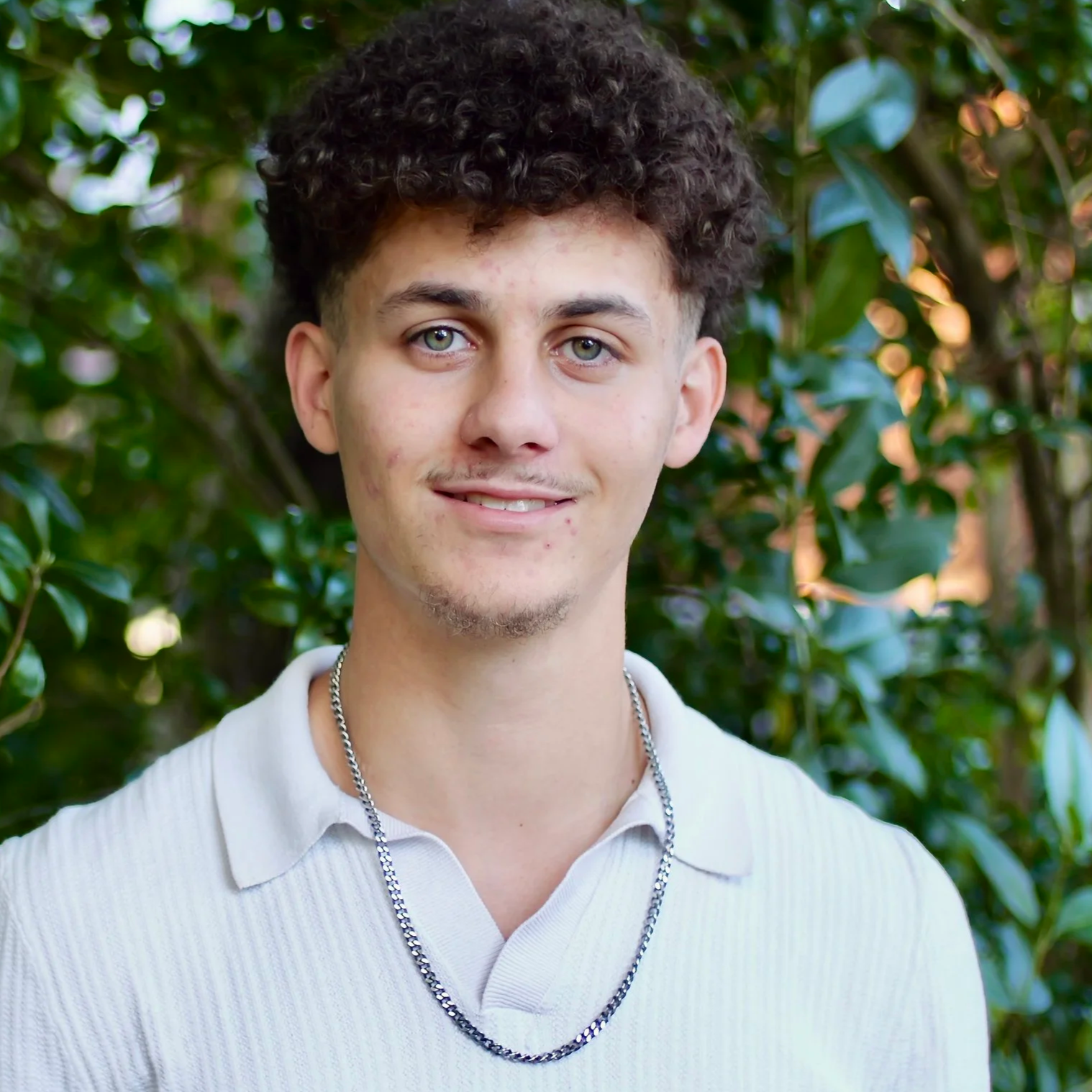
Cayden Hammonds (Lumbee)
Previous Undergraduate Student Intern
UNC Lineberger Cancer Center
-

Erica Fennimore (Tlingit)
Previous Undergraduate Student Intern
UNC Lineberger Cancer Center
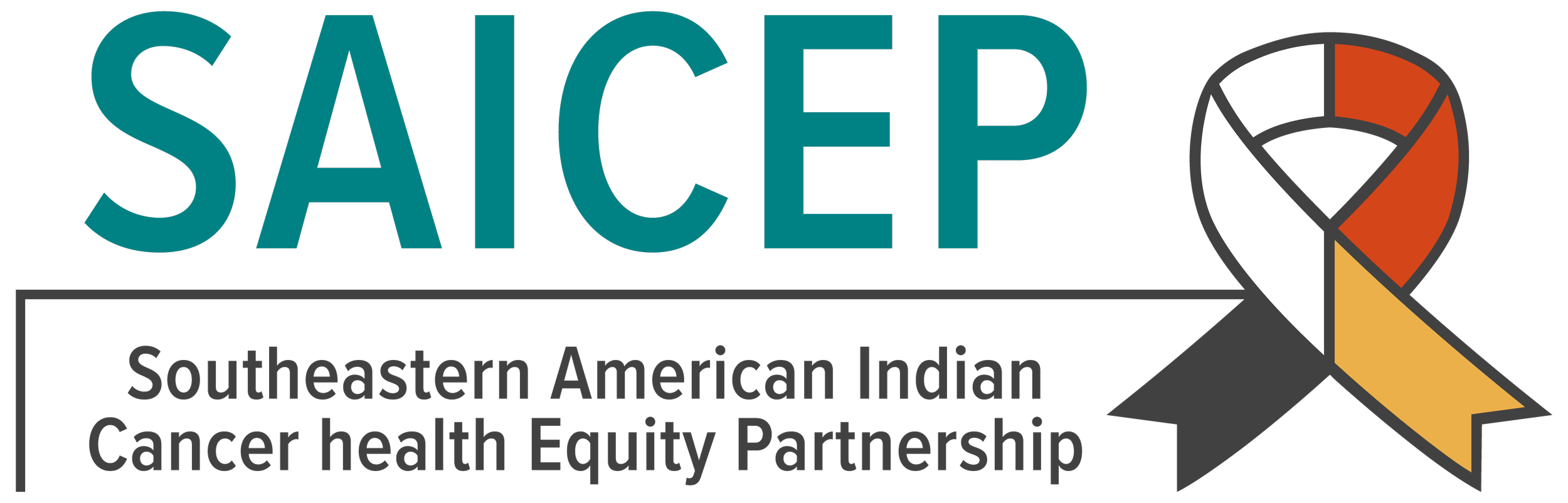
MEANING BEHIND OUR LOGO
Rebranded in 2026, the SAICEP logo was designed to feel strong, modern, and welcoming while honoring the partnership’s connection to Southeastern American Indian communities. The bold typography reflects clarity, stability, and forward movement in cancer health equity, research, outreach, and education.
The SAICEP cancer ribbon incorporates the four directional colors often associated with medicine wheel teachings: black, red, yellow, and white. These colors can represent many interconnected concepts, including the four directions, stages of life, seasons, aspects of health, elements of nature, animals, and ceremonial plants. The ribbon symbolizes balance, interconnectedness, resilience, and the importance of community-centered care and collaboration.
The use of a cancer ribbon also reinforces SAICEP’s ongoing commitment to cancer awareness, education, and support for Indigenous communities.
get in touch

Have questions about our organization? Get in touch, we’d love to connect!
Stay Connected with SAICEP

Be the first to hear about upcoming events, new resources, research highlights, and community news.